3168 Turner Street, Suite 300
Placerville, CA 95667

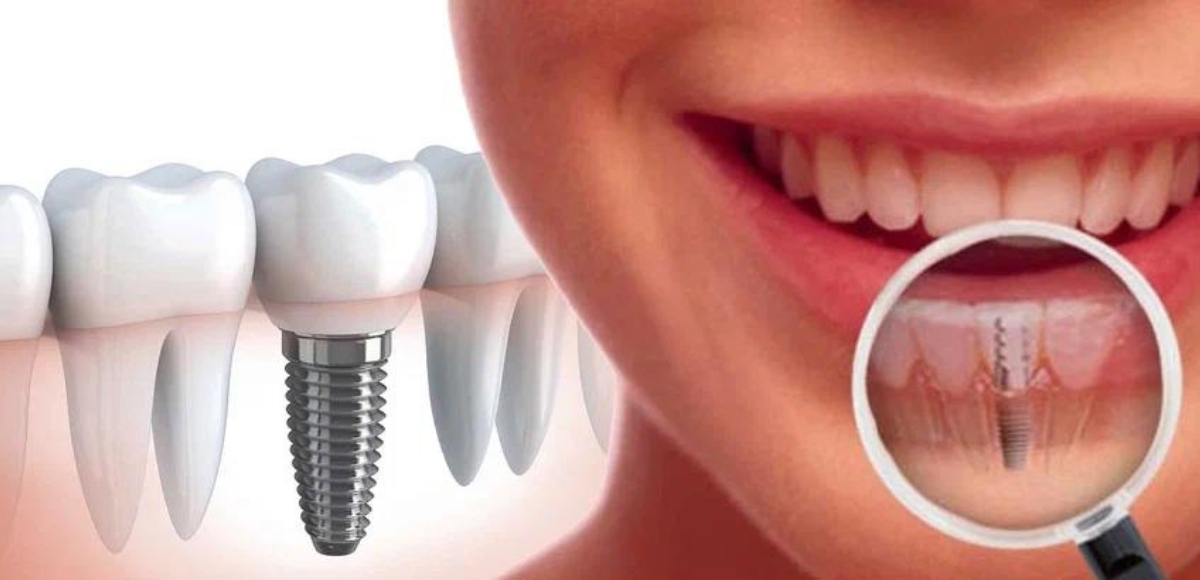
Are you fed up coping with missing teeth and how they affect your dental health and self-esteem? You might finally find the answer you’ve been looking for with dental implants! But before deciding if they’re worth it, let’s comprehensively analyze their pros and cons. In this blog post, we’ll explore dental implants’ remarkable benefits to your smile while shedding light on potential drawbacks. So, brace yourself as we unravel whether dental implants are worth every penny or if there might be better alternatives!
Pros of Dental Implants:
Source: WFAA
1. Natural Look and Feel:
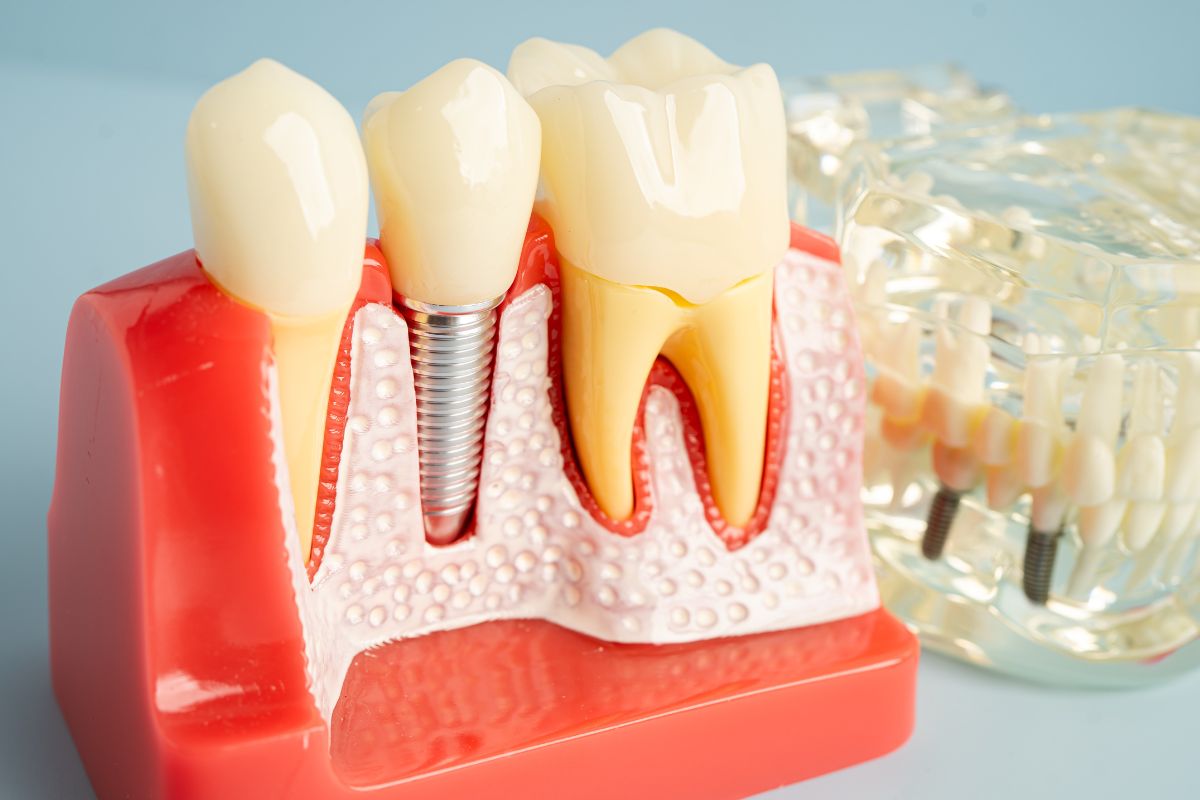
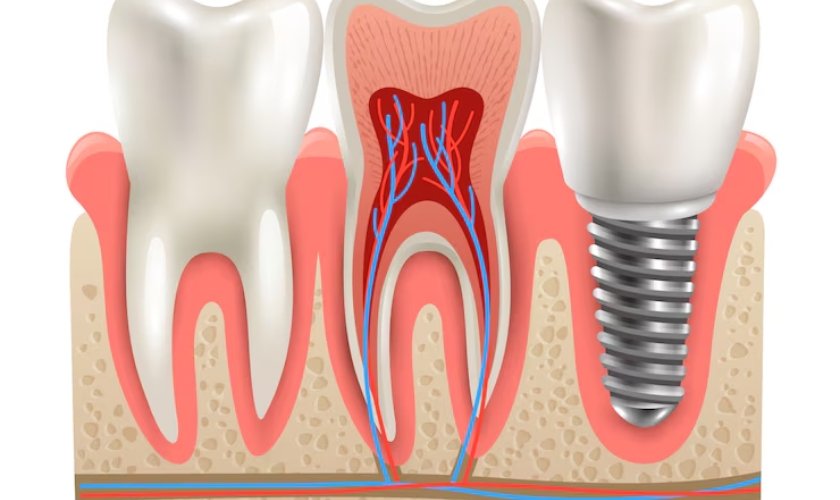
Dental implants are made to resemble the look and feel of natural teeth. They give off a natural-looking smile because they meld perfectly with your real teeth. Unlike other replacement options, dental implants provide a stable foundation, allowing you to eat, speak, and smile confidently, just as you would with your natural teeth.
2. Long-Lasting Solution:
Dental implants are known for their durability. Proper care can last a lifetime, making them a cost-effective solution in the long run. Unlike traditional dentures or bridges, which may need replacement or adjustment over time, dental implants offer a permanent solution to tooth loss.
3. Preserving Jawbone Health:
The jawbone is stimulated by implants, avoiding the bone loss that frequently results from tooth loss. This helps maintain the natural shape of your face and prevents a sunken appearance, which can be a concern with other tooth replacement options.
4. Improved Oral Health:
Dental implants don’t require altering or reducing adjacent teeth, as is necessary with traditional bridges. This helps preserve the integrity of your remaining teeth. They are also easier to clean and maintain, reducing the risk of gum disease and decay.
5. Enhanced Quality of Life:
Dental implants provide stability and comfort, allowing you to enjoy your favorite foods without restrictions. They eliminate the discomfort and inconvenience of removable dentures, such as adhesive need and the potential for denture movement or shifting.
6. High Success Rate:
Dental implant surgery has a high success rate, typically around 95% or higher, when performed by a skilled and experienced oral surgeon or implant dentist. This means that most patients experience successful outcomes and enjoy the benefits of dental implants.
Cons of Dental Implants:
1. Cost:
Dental implants can be more expensive upfront than tooth replacement options, such as dentures or bridges. However, their long-term durability often makes them cost-effective, as you may avoid the recurring expenses associated with replacements and adjustments.
2. Surgery and Healing Time:
Dental implant placement involves oral surgery, which means some discomfort, swelling, and healing time. Patients may sometimes require additional procedures, such as bone grafting, to ensure enough bone to support the implant. However, many patients find that the benefits far outweigh the temporary inconveniences.
3. Time-Consuming Process:
The full dental implant procedure can take several months, from the initial consultation to the last restoration. This may not be suitable for individuals seeking a quick tooth replacement solution. However, dental implants’ longevity and natural feel often justify the time investment.
4. Not Suitable for Everyone:
Dental implants may not be recommended for individuals with certain medical conditions or those who smoke, as smoking can hinder healing. Additionally, adequate bone density is required for successful implant placement, and some patients may not have sufficient bone. However, bone grafting and other procedures can sometimes address this issue.
5. Risk of Complications:
As with any surgical procedure, there is a minimal risk of complications, such as infection, nerve damage, or implant failure. Choosing a qualified and experienced implant dentist or oral surgeon can minimize these risks and increase the likelihood of a successful outcome.
6. Maintenance and Care:
While dental implants are generally low-maintenance, they still require proper oral hygiene, including regular brushing, flossing, and dental check-ups. Neglecting maintenance can lead to complications, such as peri-implantitis, a gum disease specific to dental implants. However, many patients find caring for dental implants straightforwardly and easily integrated into their daily routine.
Dental implants are a great option for those looking to replace missing teeth and restore their smile. However, before deciding to pursue this treatment, it is important to weigh the pros and cons of dental implants to make an informed decision. While they may be costly upfront, dental implants can provide long-term benefits that will improve your overall quality of life. By taking the time to research your options and understand what you should expect from the process, you can determine if dental implants are right for you.