3168 Turner Street, Suite 300
Placerville, CA 95667


Most people believe the problem ends once a damaged tooth is removed. The pain is gone. The infection is treated. Life moves on. But beneath the surface, something important begins to change.
When a tooth is extracted, the jawbone that once supported it no longer receives stimulation. Over time, that unused bone begins to shrink. This process, known as bone loss, can affect your facial structure, bite alignment, and overall oral health. Many patients don’t realize this until they notice subtle changes, shifting teeth, a weaker bite, or a slightly sunken appearance around the mouth.
There is, however, a biologically sound solution. Modern dental implants are designed to replace not just the visible portion of a tooth but also its root. In this blog, we’ll explain why bone loss happens, how it progresses, and how timely treatment at Golden Grove Dental can help preserve your smile for years to come.
Why Jawbone Loss Happens After Tooth Extraction
The Role of Tooth Roots in Bone Stimulation
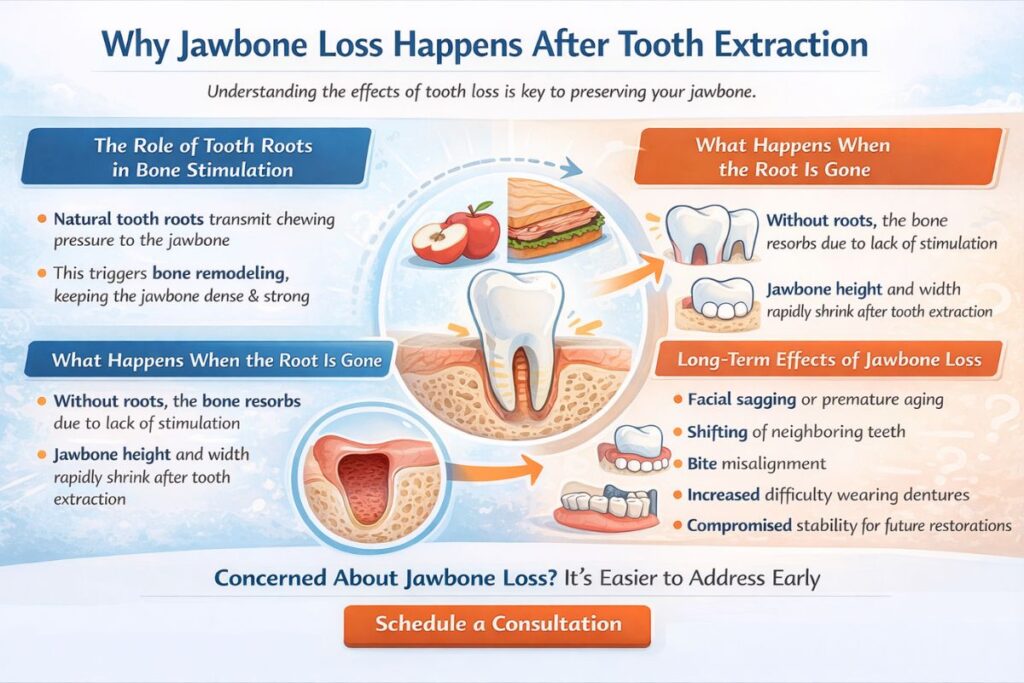
Your teeth do more than help you chew. Each natural tooth root plays a vital role in keeping your jawbone healthy. Every time you bite into food, whether it’s a crisp apple from a local farmers’ market or a sandwich from a nearby café, pressure travels down through the root and into the surrounding bone.
This pressure triggers a biological process called bone remodeling. Bone is living tissue. It constantly rebuilds itself in response to stimulation. When the jaw experiences regular chewing forces, it maintains its strength and density.
What Happens When the Root Is Gone
Once a tooth is removed, that stimulation stops. The body interprets the area as no longer necessary and begins to reabsorb the bone. This is called bone resorption.
Bone shrinkage begins almost immediately after extraction. Studies show the most rapid changes occur within the first six to twelve months. During this period, both the height and width of the jawbone can decrease significantly. Even if you cannot see it at first, the structural foundation of your smile is changing.
Long-Term Effects of Jawbone Loss
Over time, this shrinkage can lead to noticeable consequences:
- Facial sagging or premature aging
- Shifting of neighboring teeth
- Bite misalignment
- Increased difficulty wearing dentures
- Compromised stability for future restorations
In communities like ours, where people value staying active and confident, whether attending local events or meeting friends downtown, a strong, natural-looking smile matters. Preserving jawbone health is not cosmetic alone. It is structural. Once bone is lost, rebuilding it becomes more complex.
What Is a Dental Implant?
Before discussing how bone can be preserved, it’s important to understand the solution itself.
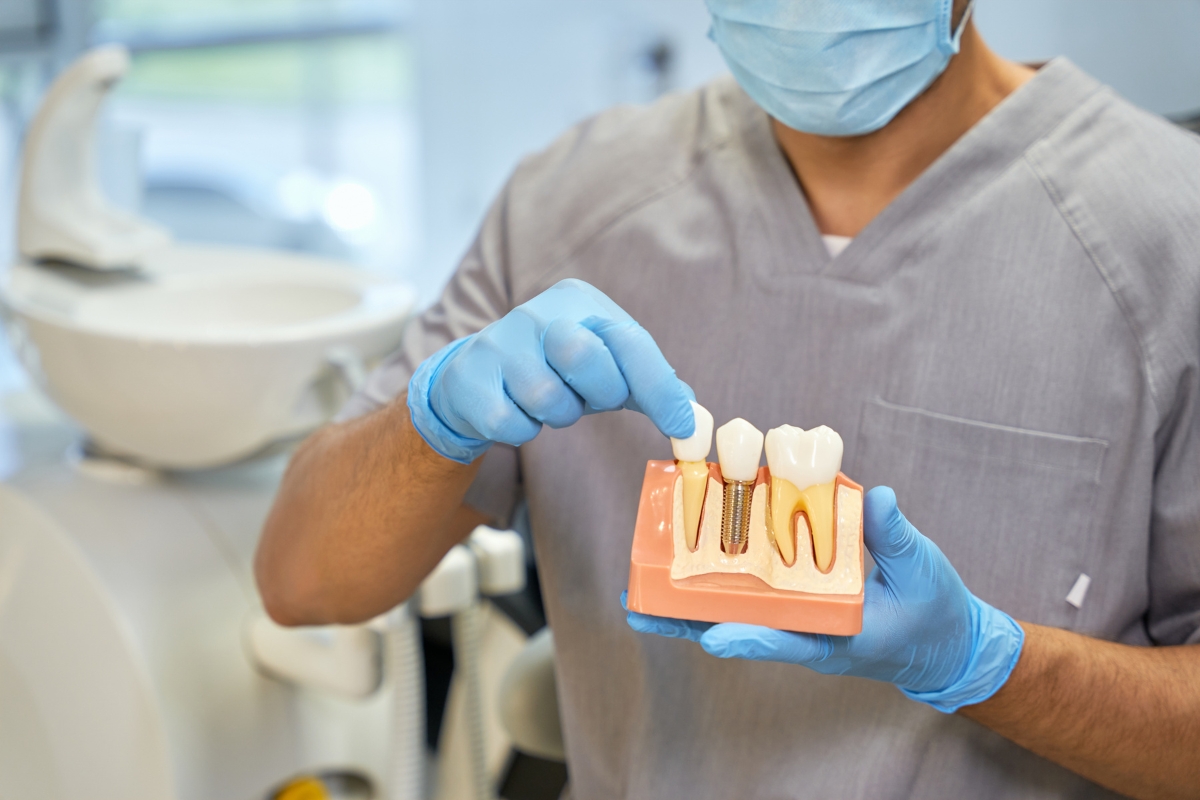
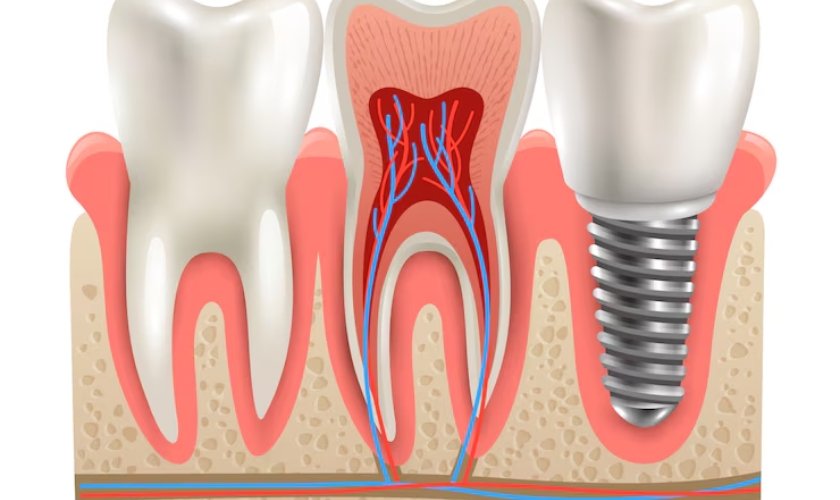
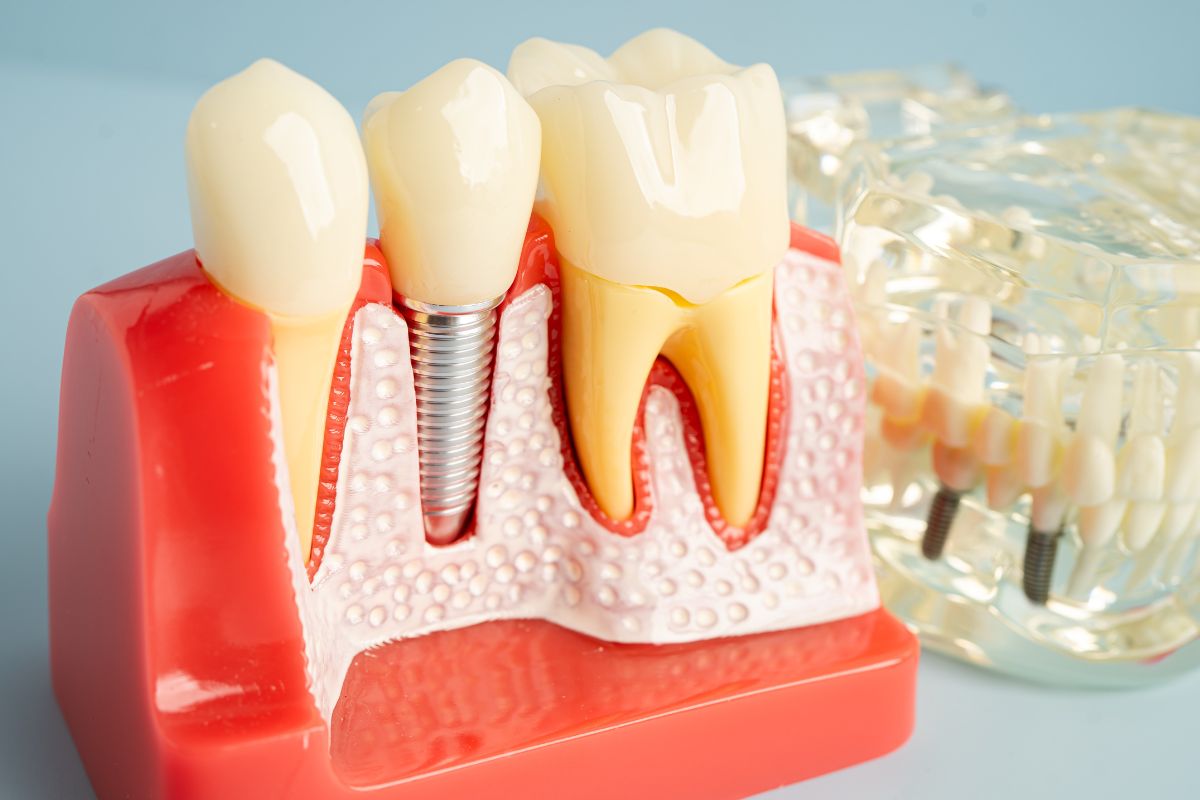
A dental implant is a three-part system designed to replicate the structure of a natural tooth:
- Titanium post: A small, biocompatible post placed into the jawbone.
- Abutment: A connector that attaches to the post.
- Crown: The visible portion that looks and functions like a real tooth.
The titanium post is the most critical component. It replaces the missing root beneath the gumline. Unlike bridges or removable dentures, which sit above the gums, this system integrates directly with the bone.
Because it functions like a root, not just a visible replacement, it restores strength from the foundation upward. At Golden Grove Dental, careful planning ensures the replacement tooth matches your bite, alignment, and natural appearance, allowing it to blend seamlessly into your smile.
How Dental Implants Prevent Jawbone Loss
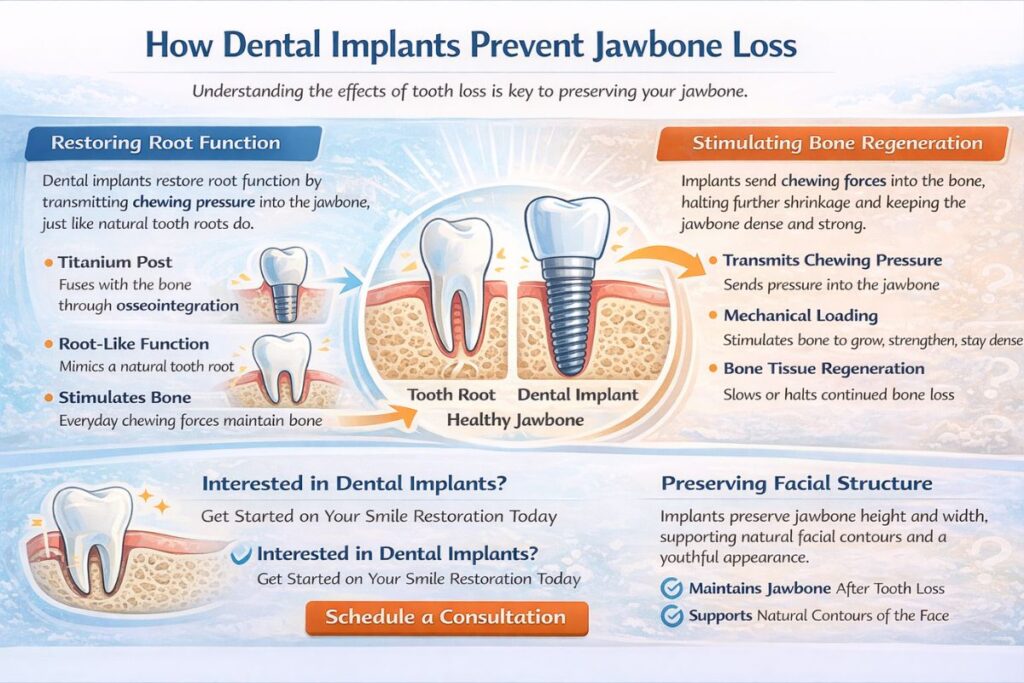
Restoring Root Function
The key to stopping bone shrinkage is restoring what was lost: the root. When a natural tooth is present, its root transfers chewing pressure into the jawbone. Once that root is gone, the bone no longer receives stimulation.
Dental implants in Placerville are designed to replace the root beneath the gumline. After placement, the titanium post fuses directly with the surrounding bone through a process called osseointegration. This creates a stable foundation that behaves like a natural tooth root.
When you chew, bite, or speak, the forces travel through the implant into the jawbone, reactivating the body’s natural bone-maintenance process.
Stimulating Bone Regeneration
Bone is living tissue. It strengthens when it is used and shrinks when it is not. This is known as mechanical loading. Without stimulation, the body begins reabsorbing the bone in that area.
By transmitting everyday chewing forces into the jaw, implants signal the body to maintain bone density. This helps prevent continued resorption and preserves the structural integrity of the jaw. In many cases, this support significantly slows or halts further bone loss around the treated area.
Preserving Facial Structure
Your jawbone supports more than your teeth. It supports your facial profile. When bone shrinks, it can cause a collapsed or sunken appearance around the mouth. Over time, this can make the face appear older.
Because implants maintain jaw width and height, they help preserve natural facial contours. The result is not just a restored tooth, but a preserved foundation that supports long-term oral health and facial balance.
When Should You Consider an Implant After Extraction?
Timing matters. In many cases, implant placement can be considered shortly after a tooth is removed. Some patients qualify for immediate placement, where the implant is positioned the same day as extraction. Others may benefit from a short healing period before placement.
Waiting too long can allow significant bone shrinkage to occur. If months or years pass, additional procedures such as bone grafting may be required to rebuild lost structure before placement becomes possible.
That is why consultation and evaluation are essential. At Golden Grove Dental, imaging and digital planning tools help assess bone levels and determine ideal timing for getting dental implants in Placerville.
If you have recently had a tooth removed or expect to, this is the best time to discuss options. Early planning can simplify treatment and protect your long-term oral health.
What If Bone Loss Has Already Started?
If bone shrinkage has already occurred, you still have options.
Bone Grafting
Bone grafting procedures rebuild lost volume by placing grafting material in areas where density has decreased. Over time, your body incorporates this material, restoring strength and thickness.
Sinus Lift
For upper back teeth, the sinus cavity may limit available bone height. A sinus lift gently raises the sinus membrane to create space for grafting material and future placement.
Guided Placement
Advanced digital planning allows precise positioning even in complex cases. Guided surgery enhances accuracy and improves outcomes.
Even if you were told years ago that replacement was not possible, technology has advanced. A personalized evaluation can determine what solutions are available today.
The Long-Term Benefits of Preventing Jawbone Loss
Preserving bone is about more than appearance.
- Stronger bite function
- Stability for neighboring teeth
- Improved speech clarity
- Better facial support
- Reduced the likelihood of future corrective procedures
Patients who restore missing teeth properly often find daily activities easier, eating comfortably, speaking clearly, and smiling confidently during community gatherings or family events.
Investing in structural preservation now can prevent more complicated treatment later.
Replacing a missing tooth is not just about filling a gap. It is about replacing the root. When the root is restored, the jawbone remains active and supported. When it is not, bone loss progresses silently.
Choosing long-term oral health over short-term solutions protects your smile, facial structure, and overall comfort.
If you have had a recent extraction or have been living with a missing tooth, schedule a consultation with Golden Grove Dental. Our team will evaluate your bone health and discuss options designed for lasting stability.
Your smile deserves a strong foundation. Book your appointment today and take the first step toward protecting it for years to come.
FAQs
How long do dental implants last?
With proper care and good oral hygiene, implants can last many years, often decades. Their longevity depends on overall health, bone quality, and regular dental checkups.
What if I already have bone loss?
Bone grafting procedures can rebuild lost volume in many cases. A consultation and imaging will determine whether additional treatment is needed before implant placement.
How long does healing take after implant placement?
Healing and integration with the bone typically take three to six months. This allows the implant to fuse securely with the jaw before the final crown is attached.
How long does the entire treatment process take?
The timeline varies depending on healing and whether additional procedures are required. In many cases, treatment spans several months from placement to final restoration.
Do implants feel like natural teeth?
Once fully healed and restored, they feel very similar to natural teeth. Because they are anchored in the jawbone, they provide stable chewing and normal sensation.