3168 Turner Street, Suite 300
Placerville, CA 95667

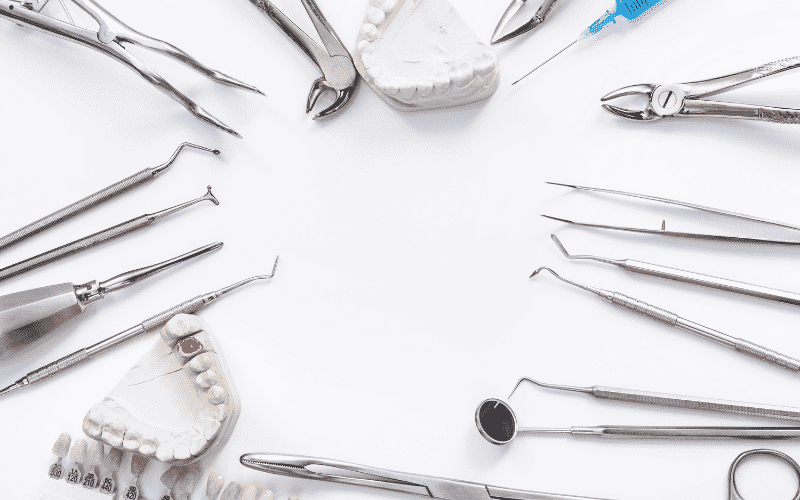
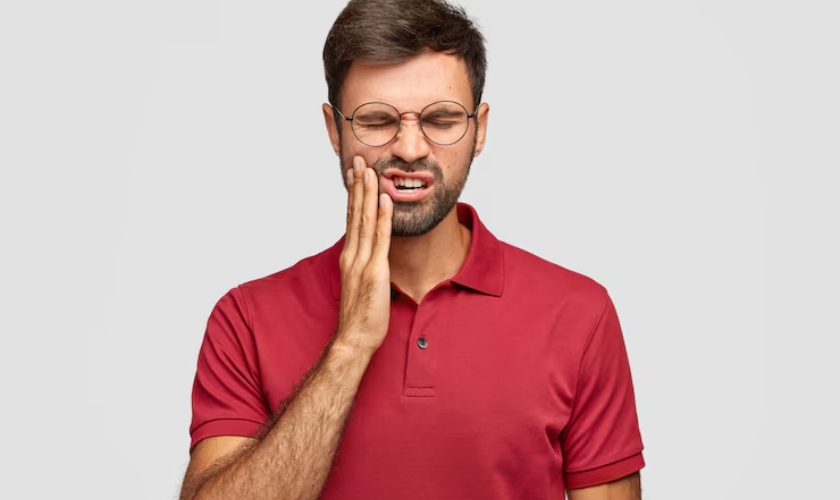
Life throws curveballs, and sometimes those curveballs land right in your mouth. A chipped tooth, a throbbing toothache, or a lost filling can strike at any moment. While these situations aren’t pleasant, having a well-stocked emergency dental kit at home can make a big difference in handling the crisis.
An emergency dental kit won’t replace professional dental care, but it can provide temporary relief and help you manage the situation until you can see an emergency dentist in Placerville. Here’s what you need to know to build your own essential kit:
Fighting The Ache: Pain Management Options For Your Kit
- Over-the-counter pain relievers: Stock your kit with pain relievers like ibuprofen or acetaminophen to help manage discomfort caused by toothaches, injuries, or swelling.
- Oral anesthetic: A topical oral anesthetic containing benzocaine can offer temporary numbing relief for gum irritation or minor mouth sores.
Wound Care:
- Gauze pads: Sterile gauze pads are essential for controlling bleeding from injuries to the mouth or gums. They can also be used to apply gentle pressure to a throbbing tooth.
- Cotton balls: Use cotton balls to apply medication or soak up minor bleeding.
Dental Tools:
- Dental floss: Dental floss is a must-have for any dental kit. It can help remove food debris that might be causing discomfort or irritation, especially if you have a loose filling or crown.
- Dental mirror: A small dental mirror will allow you to examine the inside of your mouth to locate any chips, cracks, or areas of swelling.
Other Supplies:
- Cold compress: A reusable cold compress can be a lifesaver for reducing swelling and inflammation caused by injuries to the face, mouth, or gums.
- Orthodontic wax (if applicable): If you wear braces, orthodontic wax can be a lifesaver. It can be used to cover up any sharp edges on broken brackets or wires that might irritate your cheeks or tongue.
- Medications (consult your dentist): If you have any pre-existing dental conditions, talk to your dentist about including any necessary medications in your emergency kit. This might include antibiotics or medications for gum disease.
Putting It All Together:
- Choose a container: Select a sturdy, portable container to house your kit. A plastic tackle box or small first-aid kit case would work well.
- Label it clearly: Clearly label your kit as “Emergency Dental Kit” and include a list of the contents inside the container.
- Keep it handy: Store your kit in a cool, dry place that’s easily accessible to everyone in your household. The bathroom medicine cabinet is a great option, but ensure it’s out of reach of young children.
Maintain Your Kit:
- Regularly check expiration dates: Over-the-counter medications and topical anesthetics have expiration dates. Make sure to check and replace expired items in your kit before they lose their effectiveness.
- Restock as needed: Replenish used supplies as needed to ensure your kit is always prepared for any dental emergency.
So, having a well-prepared emergency dental kit at home can provide peace of mind and help you manage a dental crisis until you can visit an emergency dentist in Placerville. By taking the time to assemble a kit and keeping it stocked, you’ll be ready to handle whatever dental mishap comes your way. Remember, a dental emergency kit is for temporary relief only. It’s necessary to reach out for professional dental care as soon as possible to address the underlying cause of the problem and prevent further complications.
Trending FAQs On DIY Dental Kit At Home!
What are some home remedies for a toothache?
While a dental emergency kit won’t cure a toothache, it can provide some temporary relief. Rinsing with warm salt water can assist in soothing inflammation, and placing a cold compress on your cheek can reduce swelling. Over-the-counter pain relievers like ibuprofen or acetaminophen can also help manage discomfort. However, it’s important to remember that these are temporary solutions, and you should see an emergency dentist immediately for proper diagnosis and treatment.
What should I do if I knock out a tooth?
Time is critical if you knock out a tooth. If possible, gently pick up the tooth by the crown (the white part) and rinse it briefly with clean water. Do not scrub the tooth and avoid touching the root. Try to carefully reinsert the tooth back into its socket. If that’s not possible, hold the tooth in your mouth next to the socket or place it in a container with milk. Get to an emergency dentist immediately. The sooner you can see a dentist, the greater the chance of saving the tooth.
Can I use essential oils for dental emergencies?
While some essential oils have natural pain-relieving properties, they are not recommended for use in the mouth. Essential oils can be very potent and cause irritation or burns to the delicate tissues in your mouth. If you’re experiencing a dental emergency, it’s best to stick to safe, tried-and-tested methods like pain relievers and cold compresses.
Should I go to the emergency room or a dentist for a dental emergency?
For most dental emergencies, seeing an emergency dentist is the best course of action. Emergency dentists are specifically trained and equipped to handle dental emergencies. However, if you experience severe bleeding, facial swelling that makes it difficult to breathe, or trauma to the jaw, go to the emergency room immediately.
How can I prevent dental emergencies?
The best way to avoid dental emergencies is to practice good oral hygiene. Brush your teeth twice a day, floss daily, and see your dentist for regular checkups and cleanings. Wearing a mouthguard during contact sports can also help protect your teeth from injury. By taking these preventive measures, you can significantly reduce your risk of experiencing a dental emergency.