3168 Turner Street, Suite 300
Placerville, CA 95667

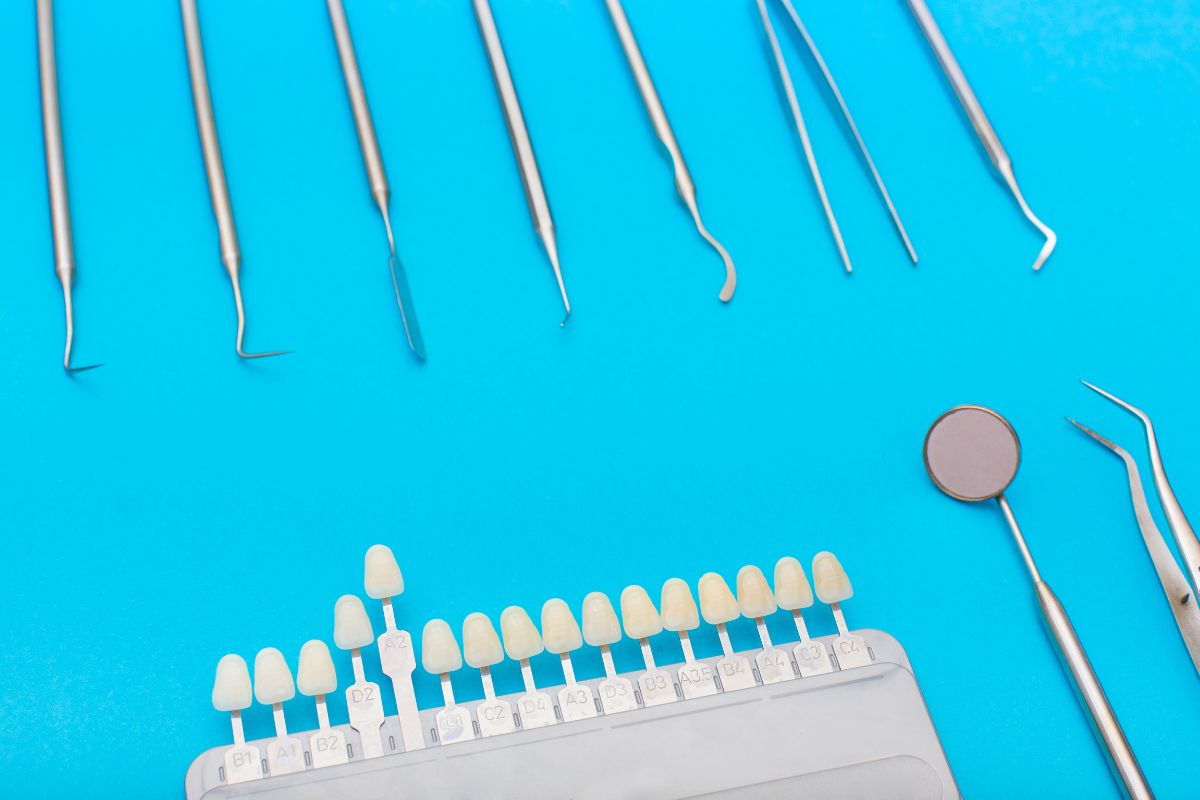
There is something about the way that golden hour softens everything, from light and lines to doubt and insecurities. It is that short time of day when the sun dips low and paints the foothills of the Sierra range, creating a warm light that feels, for an instant, real. But for some, a smile feels uncertain, chipped and edged, or stained and worn.
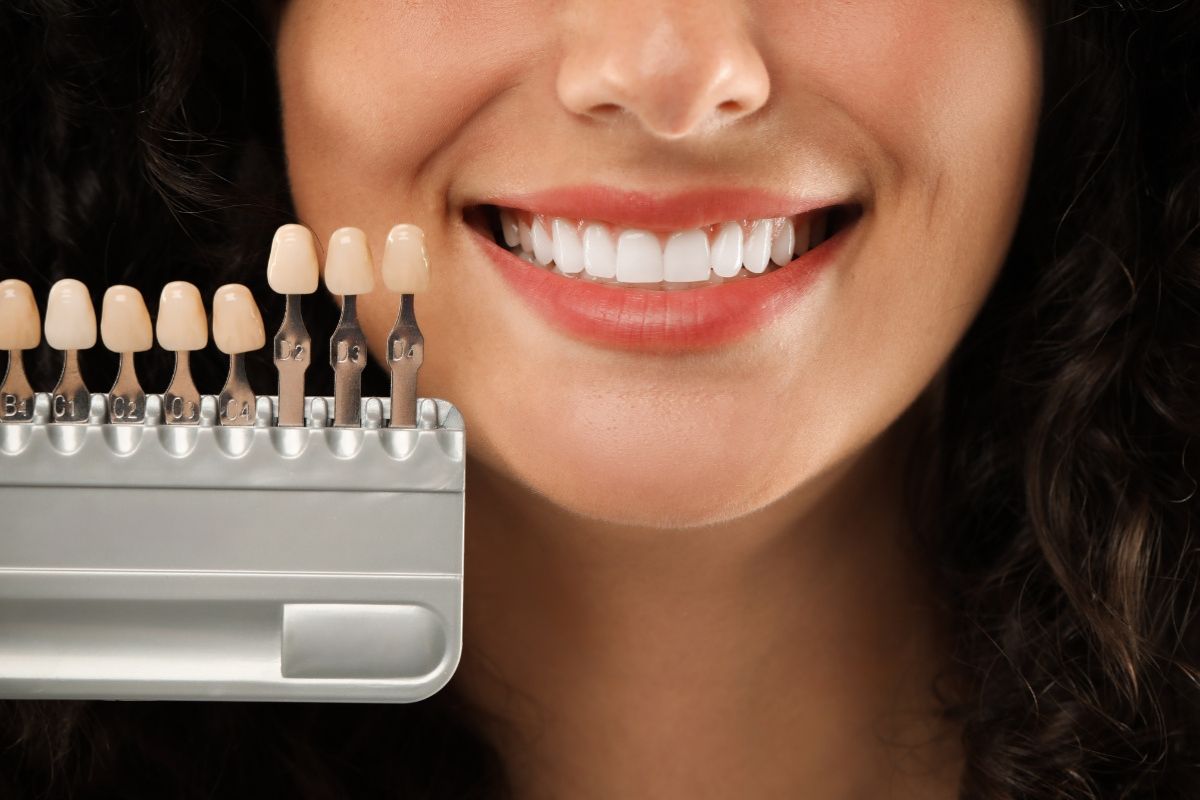
Today’s cosmetic dentistry is less about transformation and more about refining the improvements that nature is already working on. Veneers are a big part of this change. Rather than making extreme changes, minimally invasive veneers focus on refinement: enhancing the shape, the color, and the balance of natural teeth. The finished product is less ‘done’ and more ‘you.’ You’ll learn about minimally invasive veneers, the importance of preserving natural teeth, and whether this service is right for you in this blog.
What Minimally Invasive Veneers Really Mean?
Minimally invasive veneers are custom-made, thin dental structures that are bonded to the front surface of teeth with minimal to no enamel preparation. This contrasts with regular veneers, which may require re-shaping teeth, whereas with minimally invasive veneers, it’s all about enhancement. Enhancement, not replacement.
A cosmetic dentist examines your facial features, your bite, and the natural proportions of your own teeth. This way, the veneers do not dominate your own smile. Rather, they provide harmony and balance to your appearance. The emphasis is on your smile fitting your face properly, not necessarily on how white or straight your teeth are.
The Smile Design Process Behind the Scenes
A beautiful, refined smile doesn’t come by itself; it starts with considerable planning and cooperation. The cosmetic dentist observes how your teeth respond to light, how they move when you speak, and what they look like from all angles.
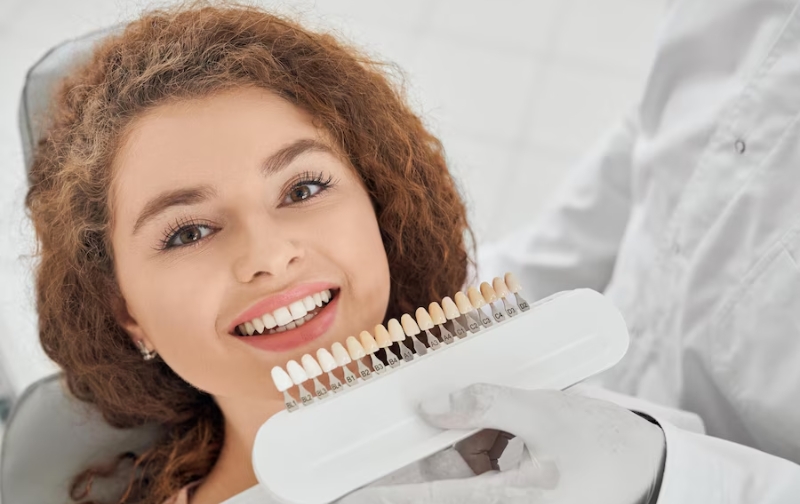
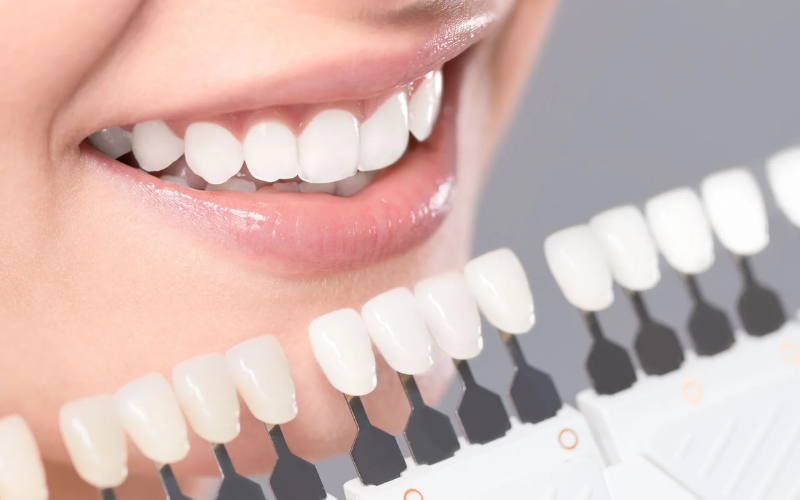
Normally, digital imaging and mock-ups are used to preview small changes before anything is placed. This process helps in deciding length, shape, and shade, particularly to achieve the soft, natural brightness appropriate for use outside rather than just inside.
It is at this stage that, for many patients seeking veneers in Placerville, CA, an appreciation for how unique this process is first dawns.
Why Less Tooth Alteration Matters
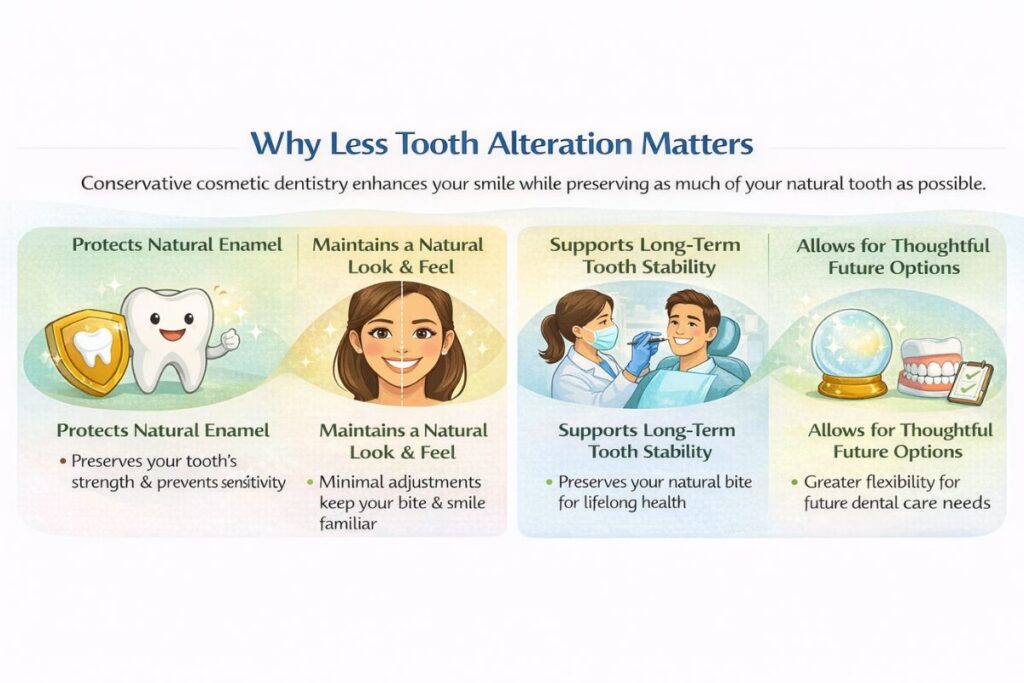
When enhancing a person’s smile, the extent to which the natural tooth remains is significant. To this end, conservative cosmetic dentistry ensures it works with your teeth, not against them.
- Protects Natural Enamel: It’s the natural armor covering your tooth and should be preserved to maintain strength and prevent sensitivity as you age.
- Maintains a Natural Look and Feel: Minimal adjustments are required for veneers to sit properly on your teeth, so your bite, speech, and smile feel familiar.
- Supports Long-Term Tooth Stability: The more tooth structure you preserve, the greater the long-term stability of your bite and integrity, especially since your smile will inevitably change.
- Allows for Thoughtful Future Options: Taking a conservative approach would provide more options for future dental care should your needs or goals change.
Why Preserving Natural Tooth Structure Matters
A natural smile is built around balance. If you are making any changes, it is best to adopt a conservative approach by modifying what is already working well rather than radically changing it. Therefore, a smile can be enhanced while maintaining its natural form, making the changes look as natural as possible.
- Keeps Teeth Strong and Protective: Natural enamel provides a shield for the teeth. Taking care of the enamel ensures teeth support regular activities like chewing and talking with minimal stress on the enamel surface.
- Supports a More Natural Smile Appearance: When there is less enamel change, the crowns blend in more smoothly with other teeth, giving a smile a natural catch to the light and motion.
- Helps Maintain Bite Comfort: Preserving your tooth structure helps keep your bite close to its original state, preventing further changes in how your teeth come together.
- Encourages Long-Term Oral Stability: Teeth that are more naturally aligned can adapt over time and better maintain future oral health.
Are Minimally Invasive Veneers Suitable For You?
However, not every smile requires this level of effort. Minimally invasive veneers are intended for those who want a more thoughtful level of enhancement, but aren’t interested in a dramatic before-and-after transformation. Whether this type of procedure is right for you depends on your desires, your existing tooth structure, and how you want that transformation to feel.
You Want Subtle, Natural-Looking Improvements
This approach can be very good if you are interested in smoothing out minor chips or details, finishing uneven edges, or simply whitening teeth without altering the essence of your smile.
Your Teeth Are Structurally Healthy
Minimally invasive veneers may be an option when the teeth are already stable with good enamel.
You Prefer a Conservative Treatment Path
Preserving as much as you originally have is important to you; then, this option resonates with a rather conservative mindset.
You Value a Personalized Smile Design Process
Such veneers are designed with the facial features, how the mouth functions, and how it naturally moves in mind. Therefore, it’s best suited to those looking for a unique outcome.
Get A Smile That Always Feels Natural
A confident smile isn’t about striving for perfection. It’s about alignment: the alignment of how you look, how you feel, and how you move through the world. Minimally invasive veneers can help improve your smile while respecting what you already have.
If you have been contemplating ways to boost your smile without changing who you are, a heartfelt consultation at Golden Grove Dental Placerville is always available to help you determine whether this is what you are looking for. Often, the greatest transformations are the ones that seem almost imperceptible to anyone else but yourself.
FAQs
1. Do minimally invasive veneers look different from traditional veneers?
Yes. They’re designed to be thinner and more natural-looking. The focus is on blending with existing teeth rather than creating a dramatic transformation. This approach often results in softer edges and a more realistic light reflection.
2. Will my teeth feel bulky after veneers are placed?
Most patients say no. Because minimally invasive veneers require little alteration, they tend to feel very natural. The thin design helps maintain comfort when speaking, eating, and smiling throughout daily activities.
3. How long does the veneer process usually take?
The timeline varies by individual needs, but it typically includes a consultation, design phase, and placement visit. Careful planning ensures the final result feels intentional and balanced rather than rushed.
4. Can veneers stain over time?
High-quality veneer materials are resistant to staining. However, maintaining good oral hygiene and regular dental visits helps preserve their appearance and overall oral health in the long term.
5. Are minimally invasive veneers permanent?
They are considered a long-term solution. While durable, they may eventually need replacement. Preserving enamel helps support future dental options if changes are ever needed.
6. How do I know if this option suits my smile?
A cosmetic dentist evaluates tooth structure, bite, and aesthetic goals. Not every smile needs veneers, and part of the process is determining whether this conservative approach is right for you.