3168 Turner Street, Suite 300
Placerville, CA 95667

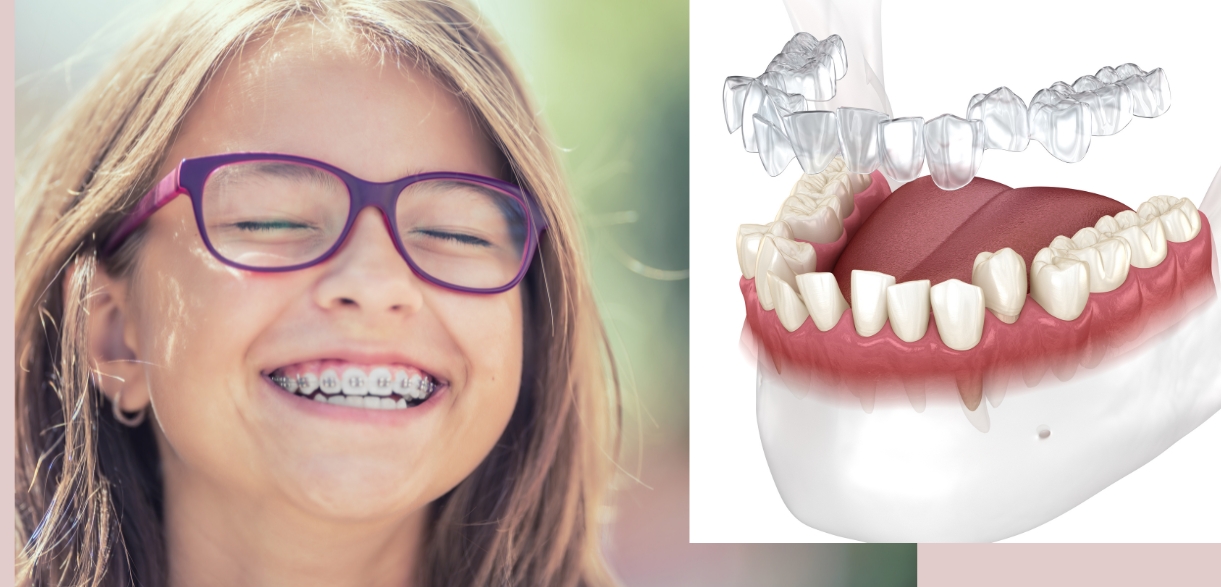
Are you fed up with hiding your smile due to crooked teeth? Ready to leap a straighter, more confident grin? Then brace yourself for an enlightening read! This comprehensive cost comparison blog post will explore orthodontic treatment options: traditional braces and innovative Invisalign. Join us as we uncover the truth behind their prices, effectiveness, and overall value for money. Prepare to make an informed decision that aligns with your teeth and budget!
Braces: The Traditional Approach
Understanding the Costs
For many years, the preferred orthodontic therapy was traditional braces. While they’ve evolved in aesthetics and comfort, the cost components generally remain consistent. Let’s break down the factors that contribute to the cost of this treatment:
Initial Consultation and X-rays: The first step involves a consultation with an orthodontist to evaluate your case and determine the best course of action. X-rays and impressions may be taken to comprehensively view your teeth and jaw alignment.
Types of Braces: Different braces are available, each with varying costs. Traditional metal braces are usually the most affordable, while ceramic or lingual can be more expensive due to their discrete appearance.
Treatment Duration: The total duration of your treatment plays a significant role in the overall cost. Complex cases may require longer treatment periods, leading to higher costs.
Regular Adjustments and Maintenance: You’ll need periodic appointments to adjust and maintain your braces. These appointments are factored into the overall cost.
Potential Additional Costs: Emergencies can happen, and you might require extra visits. Additionally, you’ll likely need retainers after removing your braces, which is an additional expense.
Invisalign: The Clear Alternative
Understanding the Costs
It is a modern and aesthetically pleasing alternative to traditional braces. It comes with its own set of cost factors:
Initial Consultation and 3D Scanning: Like braces, you’ll have an initial consultation to assess your orthodontic needs. Invisalign uses advanced 3D scanning technology to create a customized treatment plan.
Type of Invisalign Treatment: Different options exist, including the original Invisalign, Teen, and Invisalign Express. The complexity of your case and the specific treatment you choose will influence the cost.
Treatment Duration: The duration of this particular treatment is a crucial cost factor. Shorter treatments typically come with a lower price tag.
Replacement Aligners: You might need to pay for replacements if you misplace or damage your aligners. Being diligent in caring for your aligners can help you avoid these additional costs.
Potential Additional Costs: Sometimes, you may require refinement trays to fine-tune your results. Additionally, retainers are necessary post-treatment and are an extra expense to consider.
Cost Comparison
Now, let’s compare the average cost range for braces and Invisalign. It’s important to note that the actual cost can vary significantly based on factors like the complexity of your case, your geographic location, and the fees charged by the orthodontist.
- Braces: The average cost of this treatment typically falls from $3,000 to $7,000. However, the price can be higher in more complex cases or regions with a higher cost of living.
- Invisalign: The costs are generally in a similar range, typically between $3,000 and $7,000. Again, this cost can fluctuate based on your specific needs and location.
Insurance Coverage and Financing Options
Insurance coverage for orthodontic treatment can vary. Some dental insurance plans provide coverage for both options, but the extent of coverage and the age limit for beneficiaries can differ.
If the cost of treatment is a concern, many orthodontic practices offer financing options to make the payments more manageable. Monthly payment plans and other financial arrangements ease the burden on your budget.
Pros and Cons Beyond Cost
Considering factors beyond cost, such as comfort, aesthetics, and treatment effectiveness, is essential when deciding between the two. Traditional braces are highly effective but may be less aesthetically pleasing to some. Invisalign offers a more discreet option but may not be suitable for severe cases.
Both options are effective orthodontic treatments for correcting misaligned teeth. While braces may be a more traditional option, Invisalign offers a discreet and convenient alternative. When it comes to cost, there are several factors to consider, including treatment time, severity of the case, and insurance coverage. It is important to consult a dentist in Placerville, CA, to determine which option is best for you regarding effectiveness and affordability. Whichever route you choose, investing in your oral health will lead to a confident smile that lasts a lifetime.