3168 Turner Street, Suite 300
Placerville, CA 95667

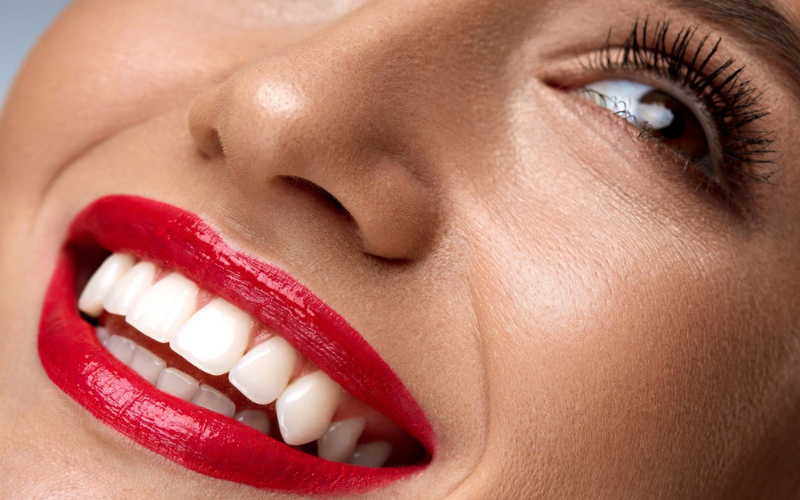
Our teeth are not an exception to the many changes that occur in our bodies as we age. They may eventually become discoloured as a result of a number of things, including smoking, food, and ageing naturally. Although teeth whitening is a common remedy, many people question whether age affects how safe or effective treatment is. Let’s read about the facts of ageing and teeth whitening in this blog today!.
The Affect of Aging On Teeth Whitening
Your teeth’s enamel naturally starts to erode when you get older. The dentin underneath, which is inherently deeper in colour, is left more visible as a result. Your teeth’s response to whitening procedures can be influenced by alterations in the dentin and enamel. Age isn’t a rigid restriction for the following reasons:
- Because older adults have thin enamel, their teeth can be more sensitive to whitening procedures.
- Over time, they develop more noticeable stains from smoking, drinking tea, or coffee, which can call for more serious treatment to get the desired effects.
- As you age, your gums get recede, which reveal tooth locations that are more sensitive. Taking good care of your teeth can help avoid irritation.
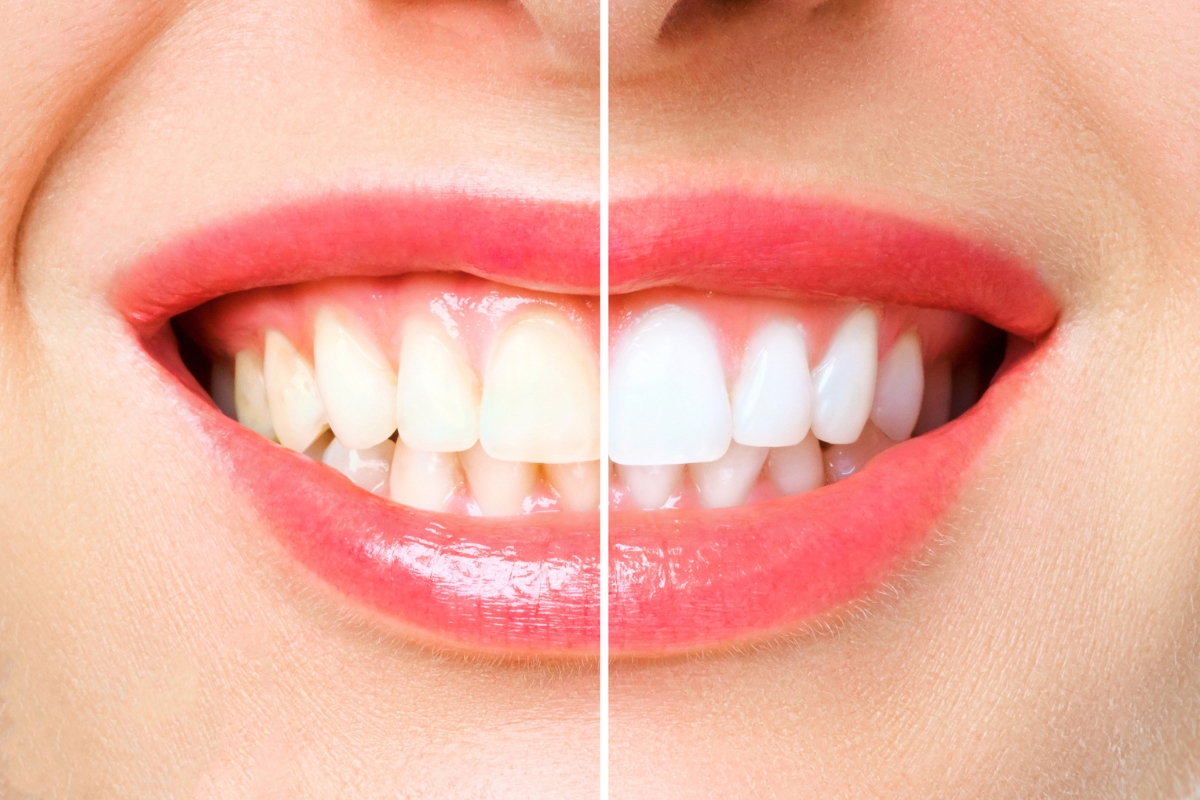
Age doesn’t always prevent teeth whitening success, as evidenced by a study that was published in the Journal of Clinical Dentistry and found that 91% of persons 45 and older saw noticeable effects from professional teeth whitening in Placerville.
However, because enamel ages naturally, certain people may require touch-ups more frequently.
Tips for Teeth Whitening In Elder Ones
Here are some considerations for anyone over 50 thinking about getting teeth whitening procedures:
- Before beginning any teeth-whitening procedure, it is imperative that you see a professional dentist. He/she is able to evaluate your gums and enamel as well as your overall oral health.
- Use gentler teeth-whitening solutions if your gums or teeth are sensitive. The greatest options might be suggested by the dentist.
- It’s important to keep up with routine dental exams, particularly as you age, and your teeth gets more vulnerable to decay or tooth sensitivity.
Age Isn’t A Barrier—But Being Cautious Is Important
People of all ages can benefit from teeth whitening, but as you get older, it’s crucial to approach the procedure with your oral health in mind. Age does not necessarily affect the efficacy of teeth-whitening procedures, but it does necessitate extra care, particularly with gum health and tooth sensitivity.
Don’t allow aging stop you from getting your teeth whitened. Any stage of life can benefit from a brighter, more self-assured smile with the correct attention and instructions by our dentist!