3168 Turner Street, Suite 300
Placerville, CA 95667



A radiant smile is a symbol of confidence and good oral health, making teeth-whitening products like Whitestrips incredibly popular for achieving that coveted sparkle. However, a common question arises: is it better to brush your teeth before or after using Whitestrips? The answer lies in striking the perfect balance.
Brushing before applying Whitestrips can assist in removing surface stains and enhancing product adherence. However, it’s equally crucial to follow up with a gentle post-treatment brushing to eliminate any residual gel and maintain overall oral hygiene. Understanding the intricacies of this process ensures that you can attain a dazzling, healthy smile while maximizing the benefits of your teeth-whitening journey. If you have any queries related to teeth-whitening, always take assistance from your dentist.
How do the Whitestrips help in your teeth-whitening journey?
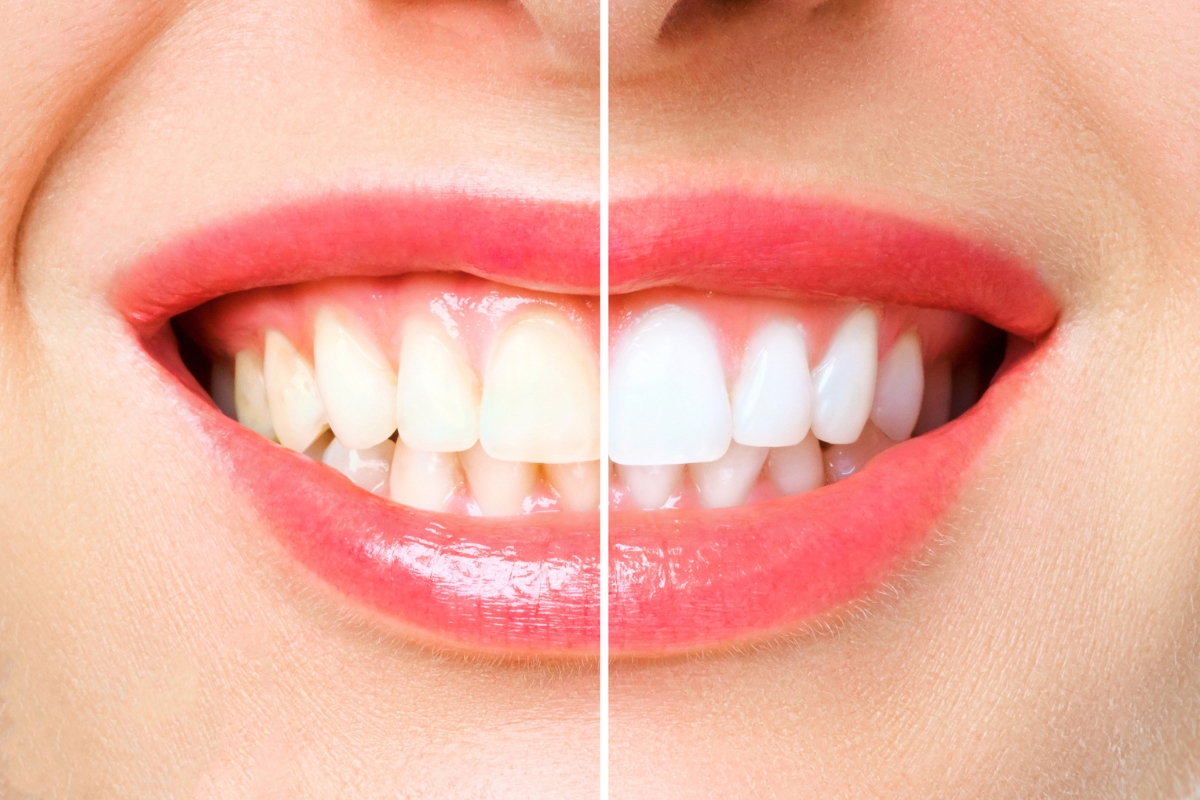
Whitestrips have become widely popular for their effectiveness and user-friendly application. Typically, these strips are thin and flexible, coated with a whitening gel based on peroxide. Once applied to the teeth, these strips break down and eliminate stains, unveiling a smile that is noticeably whiter and brighter.
Brushing before applying Whitestrips
A widely recommended practice before using Whitestrips is to brush your teeth. The logic behind this approach is that cleaning the dental surface promotes better adherence to the Whitestrips. It also enhances the effectiveness of the whitening gel.
Pre-brushing removes surface stains, residual food particles, and plaque from your teeth. This thorough cleansing ensures that the whitening gel directly touches your tooth enamel, maximizing its whitening effectiveness.
Here’s a step-by-step guide for brushing before using Whitestrips:
- Utilize toothpaste containing fluoride: Fluoride fortifies enamel, thereby increasing its resistance to decay and blemishes. Utilize a pea-sized quantity of fluoride toothpaste to coat your toothbrush.
- Brush gently for two minutes: Using delicate circular motions, brush your teeth for at least two minutes. Ensure that all tooth surfaces, including the front, rear, and chewing areas, are meticulously cleaned.
- Thoroughly rinse: Following tooth cleansing, wash your mouth with water in order to eliminate any residual toothpaste.
- Wait before applying Whitestrips: Prior to administering Whitestrips, it is crucial to observe a 30-minute interval following brushing. Enamel can become temporarily weakened and more fragile through brushing. Postponing the procedure enables the teeth to recuperate and reduces the likelihood of developing sensitivity. Also, seek help from your dentist if you experience any unexpected situations.
Brushing your teeth after using Whitestrips
While brushing before Whitestrips is usual, some people prefer to brush after their whitening procedure is over. This method may be suitable for persons who have sensitive teeth or are concerned about enamel wear.
Brushing your teeth after using Whitestrips can help remove any leftover whitening gel and keep your mouth fresh and clean. Here’s how to go about it:
- Wait at least 30 minutes: After applying Whitestrips, give your teeth time to heal. This waiting period helps your enamel to remineralize and lowers your sensitivity risk.
- Use a soft-bristled toothbrush: Use a soft-bristled toothbrush to avoid damaging your enamel and gums.
- Brush softly for two minutes: Brush your teeth gently for two minutes. Make sure not to scrub too hard, as this might cause enamel abrasion.
- Thoroughly rinse: Rinse your mouth with water to remove any leftover toothpaste or gel residue.
Some factors to consider for using Whitestrips
The question of whether to brush before or after using Whitestrips is not a simple yes or no. Your decision should be based on several things:
Tooth Sensitivity: Whitestrips can help alleviate tooth sensitivity, making brushing a bit more bearable. Sensitivity could be heightened if you brush beforehand.
Think about your enamel’s condition at the moment: It may be safer to brush after Whitestrips if the enamel is already weakened or if you are worried about enamel wear.
Convenience: As part of their regular oral hygiene practice, some people prefer to brush before using Whitestrips. Some people may find it easier to clean their teeth after whitening to get rid of any remaining gel.
Directions from the Manufacturer: When using Whitestrips, be sure to follow the manufacturer’s directions to the letter. Along with their product, they may also provide brushing instructions.
Individual Preference: In the end, it all comes down to personal preference. Whitestrips can make some people feel more at ease brushing before, while others find that they work best afterward. However, it is always better to consult your dentist for any assistance you need.
Brushing your teeth after using whitening strips is safe. Be careful not to press too hard on your gums because that could irritate them. Brushing your teeth before using whitening strips is another alternative to consider. Plaque, which can become trapped behind the strips, is easily removed with this method. To prevent gum irritation, wait 30 minutes before applying the strips.
Whitening products should always be applied according to the manufacturer’s instructions. If you leave them on for too long, you risk damaging your teeth, irritating your gums, and experiencing dental sensitivity. Your dentist in Placerville can suggest the ideal teeth whitening strips for your needs.